SHAPE YOUR FIRST PIECES.
Beginner jewelry making and design practice built around beads, wire, findings, simple layouts, tool control, and careful finishing checks.
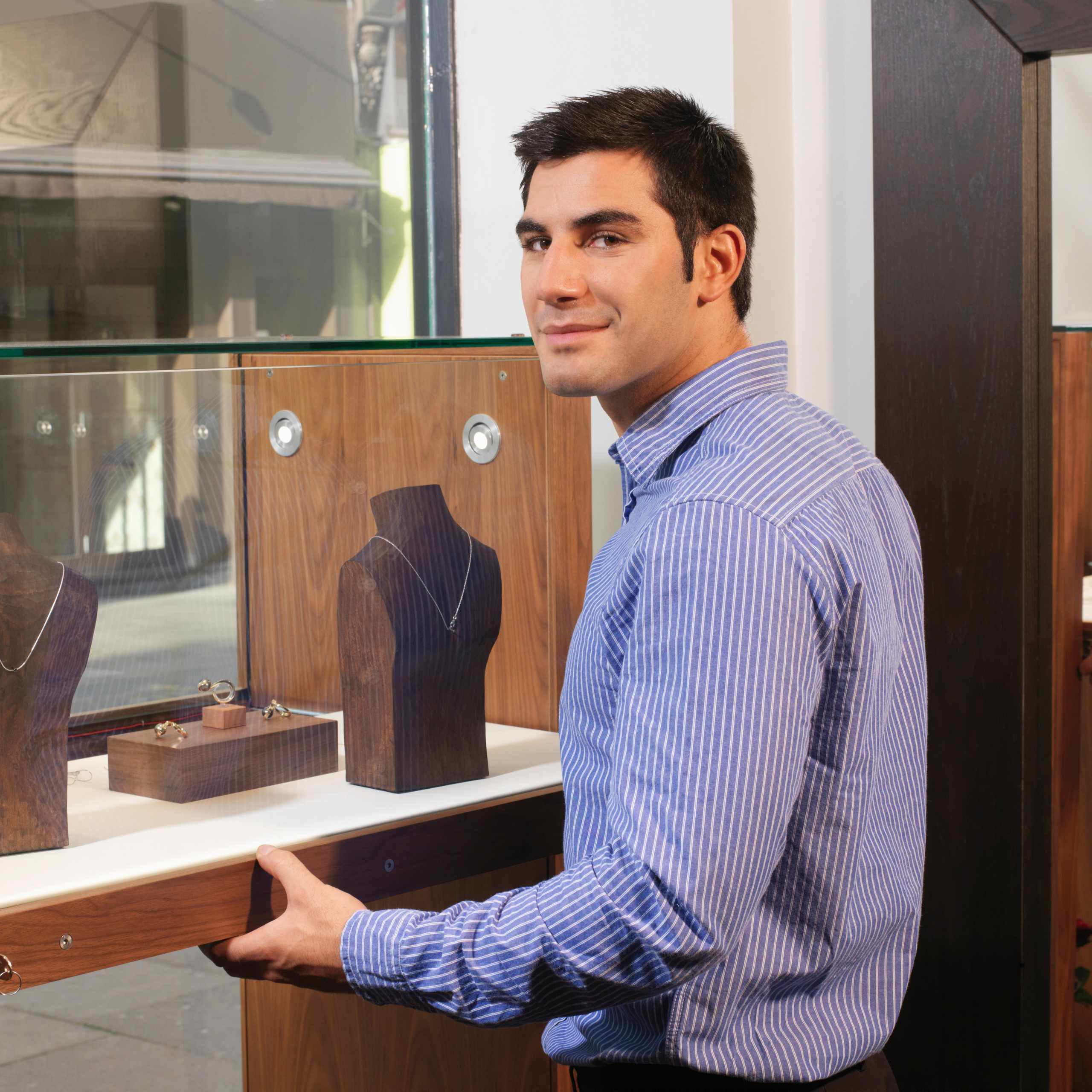
THREE SMALL MAKING STEPS.
Each project starts before assembly: choose a simple idea, test the layout, then build the piece with cleaner joins, safer edges, and better balance.
SKETCH
Draw a small pendant, bracelet, or earring idea and label the beads, chain, clasp, focal piece, and length before using final materials.
LAY OUT
Arrange wire, beads, jump rings, and findings on a mat so spacing, color pairing, weight, and wearability can be checked early.
FINISH
Close rings, smooth wire ends, test the clasp, and check symmetry so the finished piece feels neater, safer, and more comfortable.
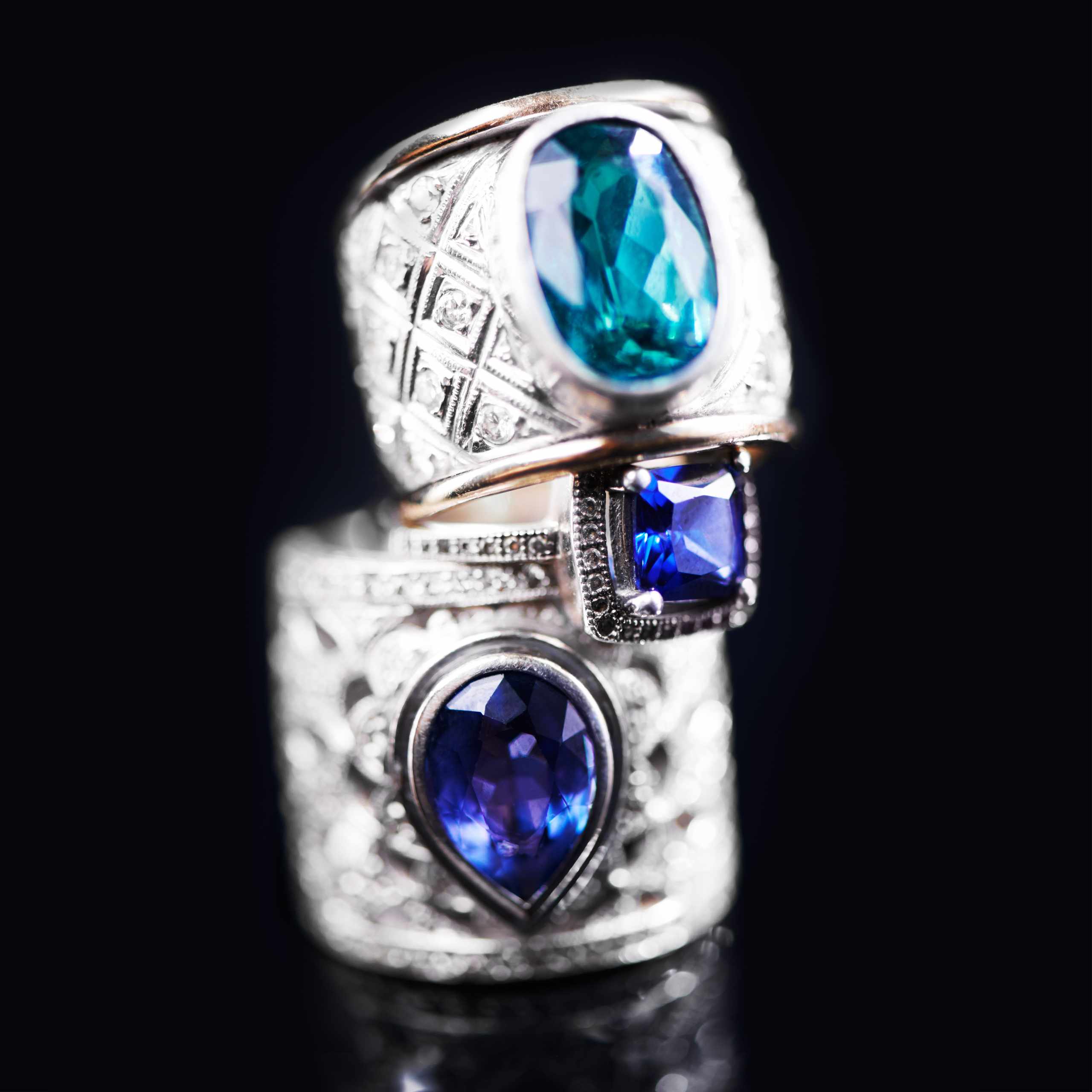
PRACTICE THAT STAYS CONCRETE.
No vague design talk or luxury promises — just focused practice with components, hand pressure, tool angles, material choices, and finishing details.
TOOL CONTROL
Use round-nose pliers, cutters, and practice wire slowly before shaping final pieces.
MATERIAL CHECKS
Compare bead size, clasp strength, chain length, and findings before assembly.
SMALL DETAILS ADD UP.
Learners describe how basic jewelry practice helped them notice layout, tool pressure, and finishing details more clearly.
I used to buy beads first and hope the design worked later. Practicing layout on a mat helped me see spacing, weight, and clasp placement before cutting.

The wire loop practice was slower than I expected, but it made a real difference. My joins started looking cleaner once I stopped pressing so hard with the pliers.

I liked learning to check comfort, edges, and how earrings hang instead of only looking at the colors. It made each small piece feel more considered.

READY TO PLAN A PIECE?
Read practical notes on beads, findings, wire loops, simple layouts, and finishing checks before choosing your next jewelry project.
QUESTIONS BEFORE STARTING.
Clear answers about tools, materials, project choice, and the first jewelry practice steps.
A small setup is enough for early practice: basic pliers, wire cutters, practice wire, a ruler, a beading mat, and simple findings. The focus is control, layout, and safe finishing rather than buying a full studio kit.
A small bracelet, pendant, or pair of simple earrings usually gives enough room to practice measuring, bead spacing, jump rings, closures, and balance without adding too many difficult details at once.
Uneven loops are part of early jewelry practice. Scrap wire, repeated bends, lighter plier pressure, and careful gap checks help you notice what changes before using final materials.